

"If you're poor, you can sweat": One building's air conditioning divide
The struggles of residents in a London tower block sum up the challenges of living in heatwave-era capital.

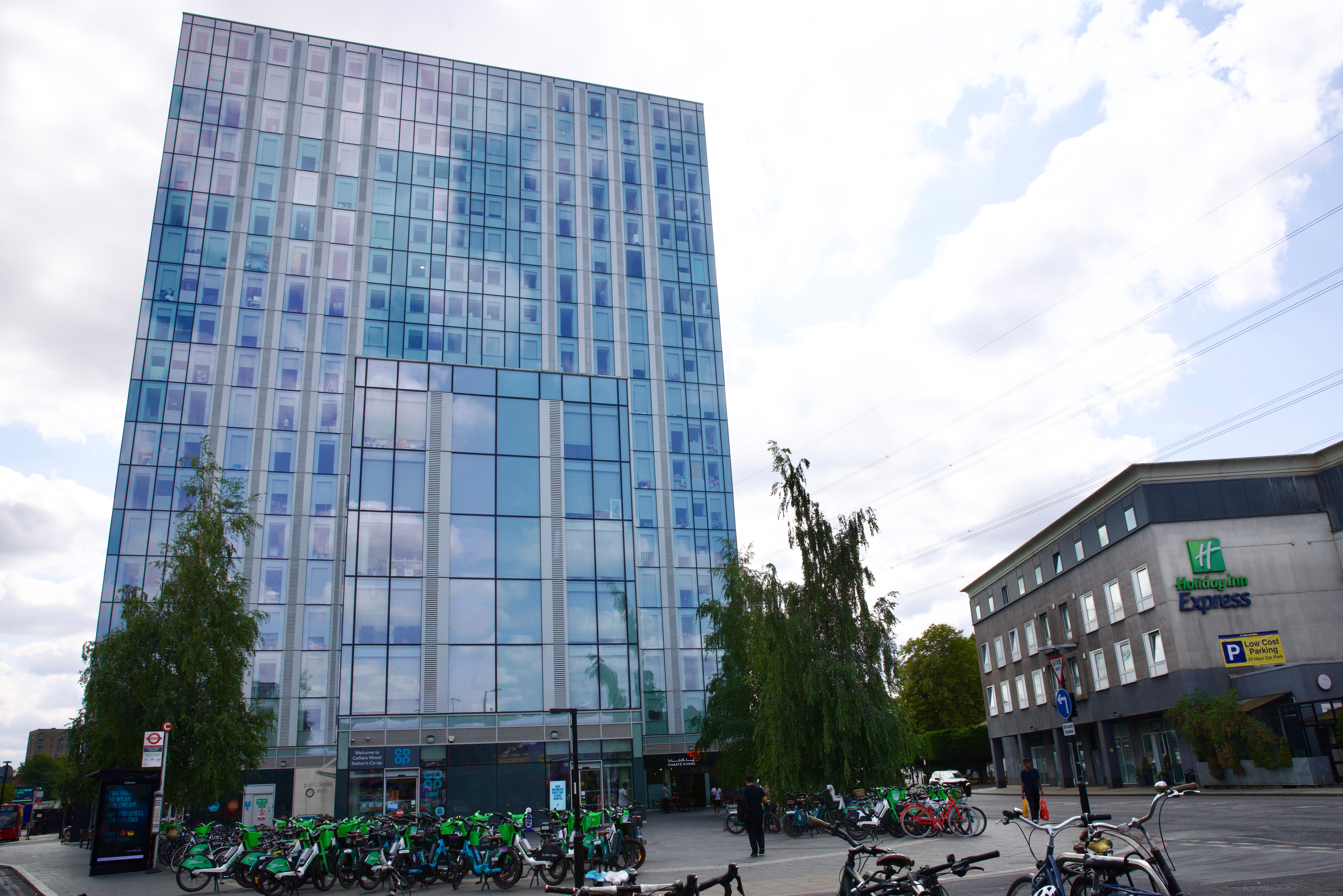
When this month’s sweltering heat brought much of London to a standstill, Magdalene was unable to turn on the air conditioning unit in her flat.
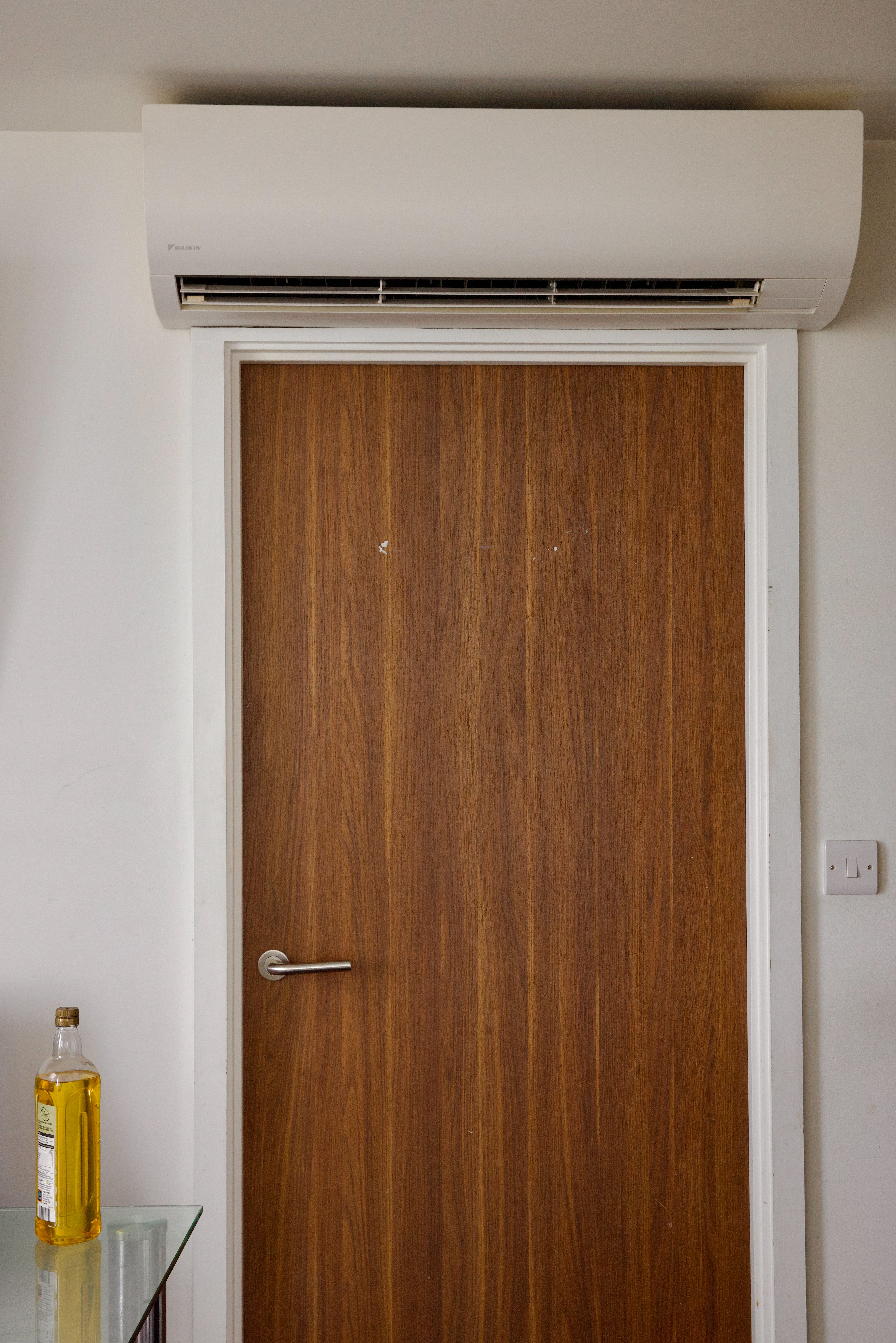
The 45-year-old, who lives on the 15th floor of a plate-glass high-rise block, had all the necessary equipment installed but still found temperatures topping 40C inside her home.
“On those days when it was very hot, we had both windows open, but there’s no breeze,” she said. “It’s like an oven.” But across the hallway in the same block, her neighbour told London Centric his air conditioning had been working all summer long.
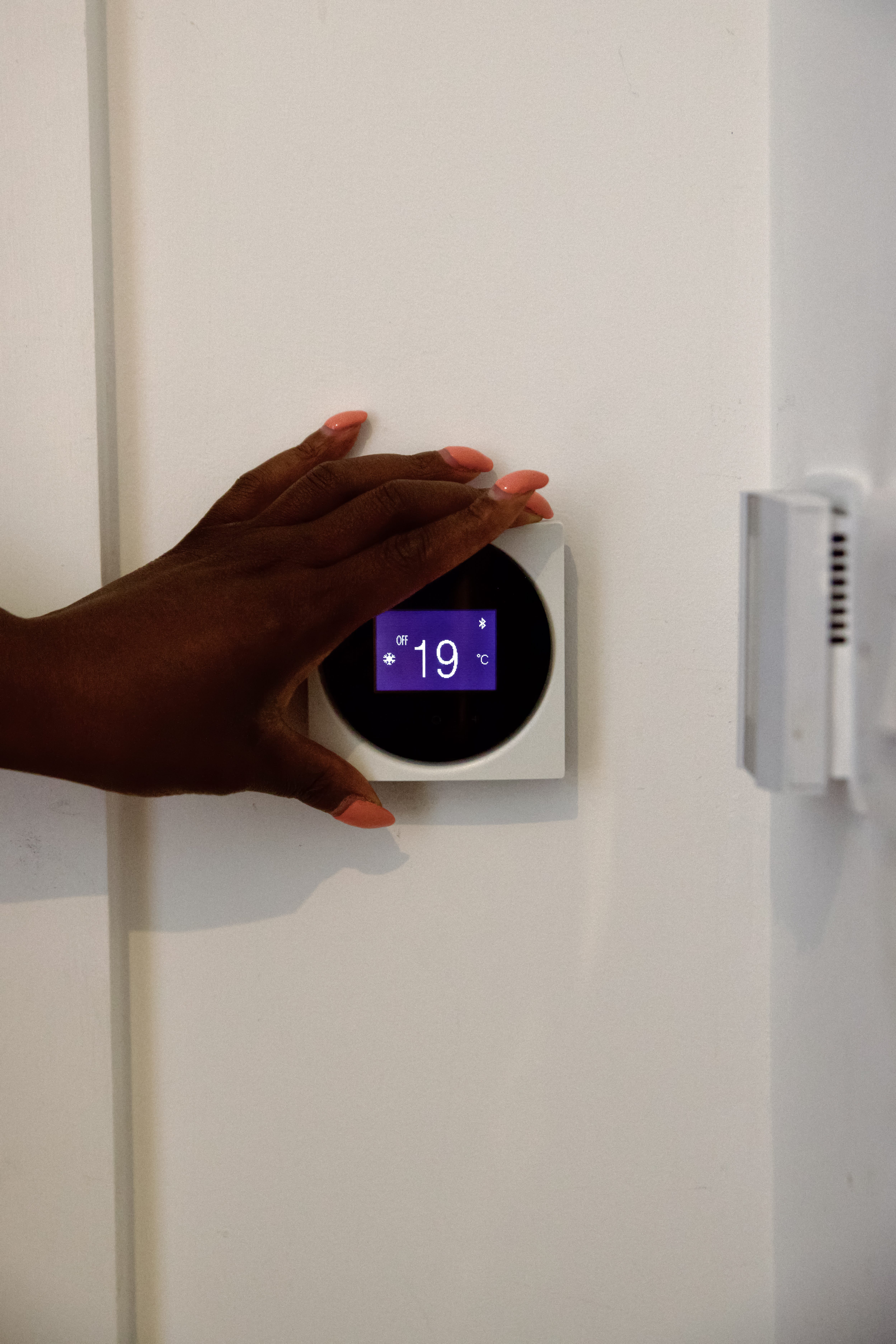
Magdalene wasn’t the victim of shoddy wiring or an electrical fault. Unbeknownst to her, air conditioning in the 19-storey Britannia Point tower block in south west London had been “switched off” on a flat-by-flat basis – but only for residents who were being housed there in publicly funded temporary accommodation. Residents say the heat in the affected flats sent children to hospital, with one woman telling us her two-year-old son collapsed.
The switch-off came during an ongoing heatwave that is transforming the experience of living in London. Tuesday was the 24th day of this year in which the temperature in the capital hit 30C. By comparison, according to weather writer TheSnowDreamer, there were just 21 days in the whole of the 1980s when London was that hot.
On Tuesday night Sadiq Khan waded into the growing row over the treatment of tenants inside the Criterion Capital-owned building, with the mayor’s spokesperson saying the situation was “completely unacceptable”.
“The mayor expects temporary accommodation to meet basic standards for decent living,” the spokesperson said. “We are assured the local council are doing all they can to hold the building management to account and protect vulnerable residents.”
Got a story we should be looking into? Send a WhatsApp or an email.
“It’s a tale of two temperatures”
When London Centric knocked on doors in the building in Colliers Wood, we kept hearing the same story. Private tenants who paid their own rent had no problems with their air conditioning units. Their neighbours, living in temporary accommodation after being made homeless, instead said their in-built air conditioning units stopped working in May, with building management reluctant to say why.
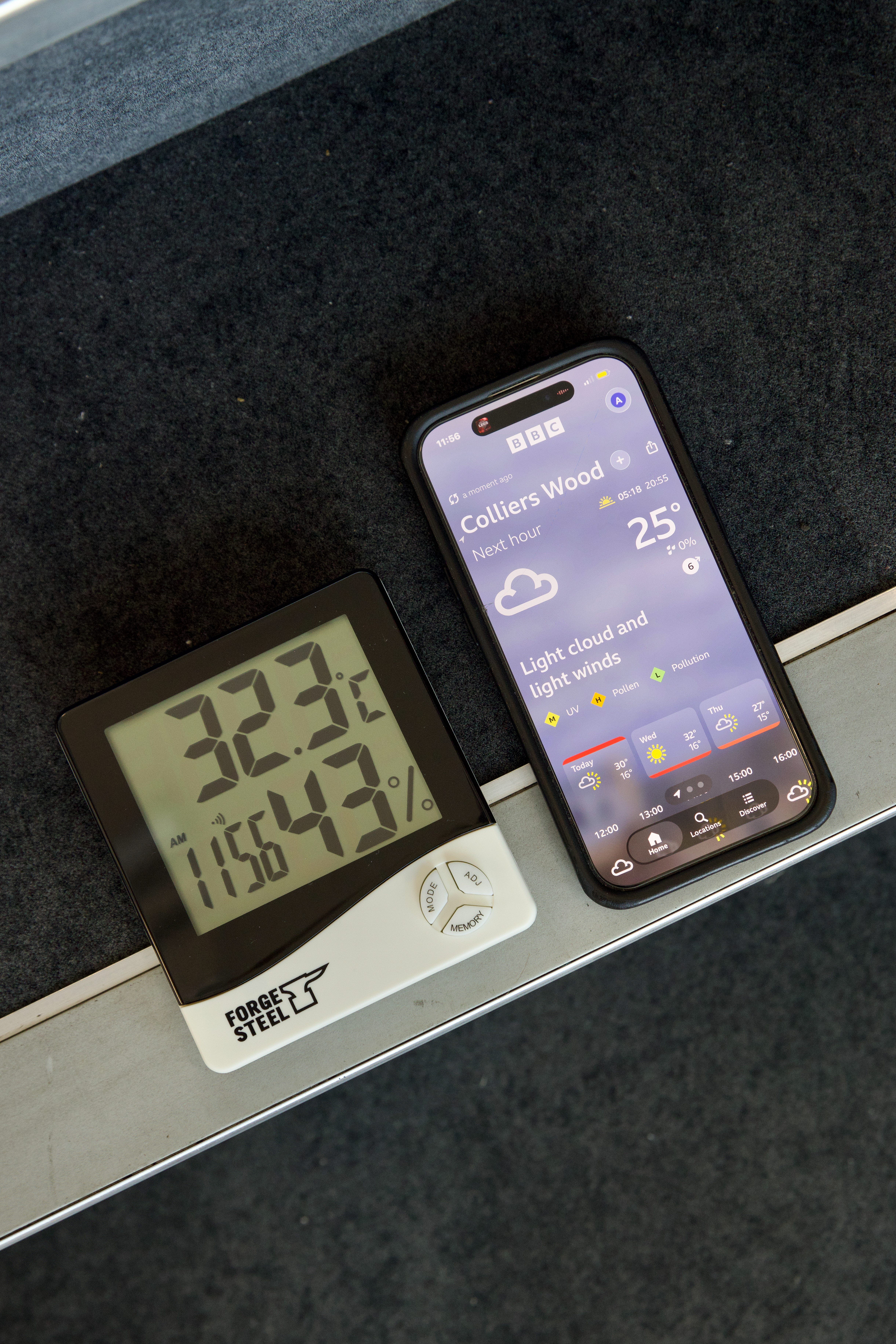
Families talked of days spent anywhere but inside their flats in an attempt to escape the heat, desperately ordering fans that failed to cool them down, and of sleepless nights in stifling bedrooms.
Merton Labour councillor Stuart Neaverson said: “It’s a tale of two temperatures with a clear message: if you’re poor, you can sweat.”
News of the air conditioning switch-off was first broken by Peter Walker of the Guardian.
London Centric has been reporting on the situation for residents of Britannia Point over the last year. We’ve previously revealed how the block, which is owned by a company connected to billionaire landlord Asif Aziz’s Criterion Capital, was subject to what one councillor dubbed the “mass eviction” of long-term private tenants. The belief was that they were being moved to make way for more profitable temporary accommodation tenants, whose rent is paid by London councils with a legal obligation to house some homeless people.
We also spent weeks proving that electrical safety certificates issued by Criterion Capital to tenants in Britannia Point had been signed by an electrician that didn’t exist, prompting an investigation by the local council.
Magdalene said the heat in her flat was unbearable once the air conditioning had been switched off: “On the last bank holiday of May, I’d gone to have a shower, and when I finished having the shower and I sat down with my towel, I was drenched. I was sweating, pouring. You’d think this was another shower I was having.”
Living on one of the highest floors in the tower, she said that the building’s two lifts kept breaking during the heatwave, meaning she’d have to climb more than ten flights of stairs to reach her overheating flat: “It’s very frustrating. I’ve never been in a property that literally wants to kill you.”
London Centric’s reporting on Criterion Capital and Britannia Point won this year’s Orwell Prize for Reporting Homelessness. We really appreciate every paying subscriber who funds our journalism.
“Not been offered as an amenity”
Earlier this month, mayor Sadiq Khan unveiled his plan for adapting London to protect the capital against extreme heat, which includes taking steps to address overheating in London’s existing housing stock.
But for the dozens of families in temporary accommodation at Britannia Point, the problem was not that their flats had no way to cool down. Instead, it’s that they weren’t able to use it.
When one resident complained to the building management that their air conditioning was broken, they were told in an email that, for tenancies managed by temporary accommodation providers, the built-in air conditioning had “not been offered as an amenity” and that “the units cannot be switched back on as a result.”
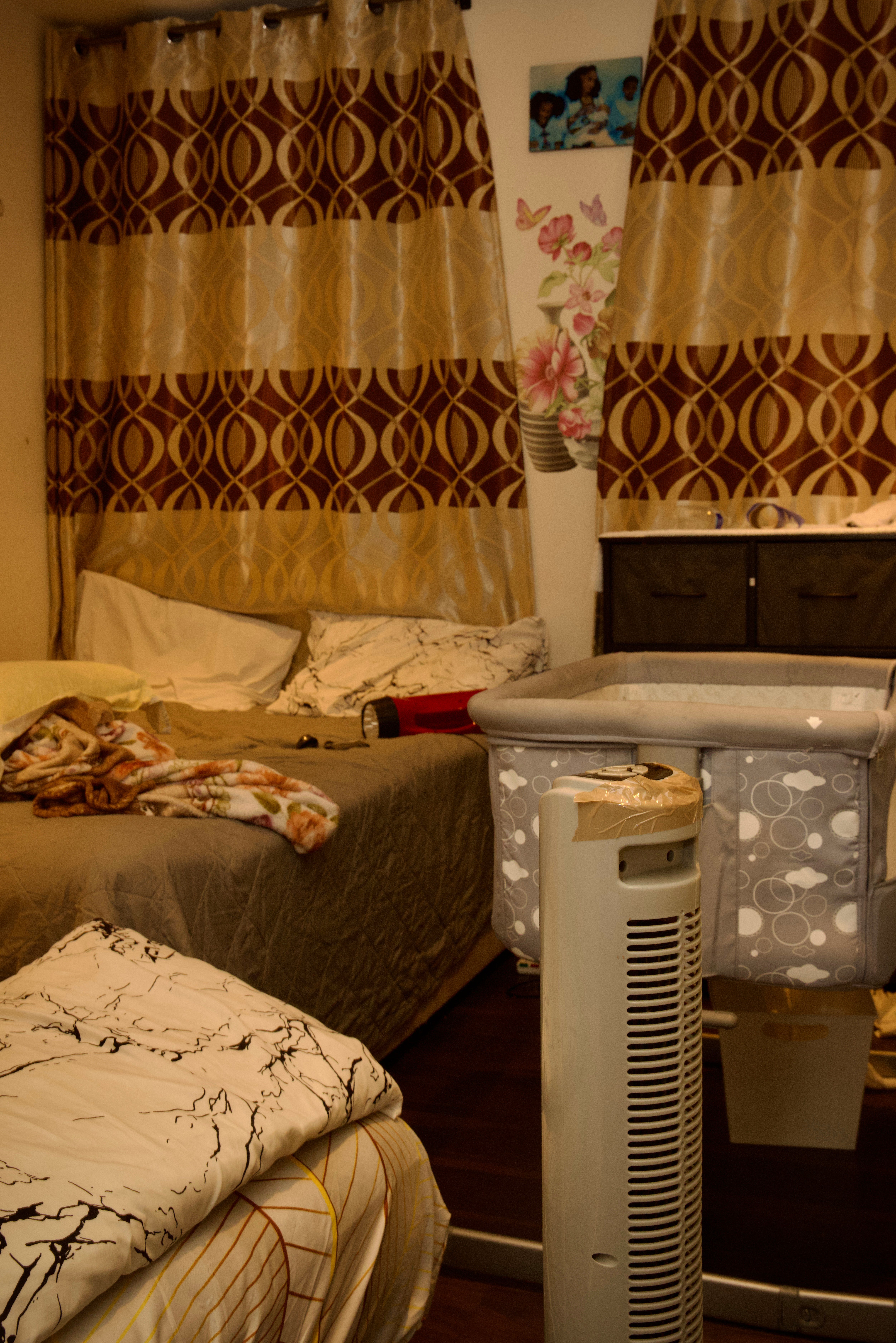
“You are welcome to use a portable fan or portable air conditioning unit at your own arrangement in the meantime, subject to any fire and electrical safety requirements in your occupation agreement,” the email continued.
Resident Afomia Mussie took up this suggestion in a bid to fight the heat. She had been trying to use portable fans to keep herself and her five children — ranging in age from three months to 12 years old — cool, after their air conditioning unit was switched off.
A few floors down, Perla Feliz, 34, had also been without air conditioning all summer, despite having an air conditioning unit in her flat. “I can’t spend too much time at home,” she told us. “It’s too hot.” She’d written to the building’s management eight times on WhatsApp, and sent four emails, all seen by London Centric, but said that nobody had come or explained to her why it was no longer working.
One mother told London Centric that her two-year-old son collapsed in the heat this month. Another said her child had been taken to hospital, where doctors told her the illness was heat-related.
The off-shore owner
Land registry documents show that the building was bought in October 2013 for £36m by an Isle of Man-based company called Colliers Wood Investment Limited. This company’s ultimate owners and financial backers are obscured by its offshore location but Asif Aziz’s Criterion Capital acts as the freeholder and responded to press queries.
Criterion Capital then leases flats in the tower to Aura Assets Management and People First Housing, which in turn sign valuable leases with London councils to house homeless people requiring temporary accommodation.
Criterion Capital’s representatives at communications agency DRD Partnership said all questions about the air conditioning should be sent to these two temporary accommodation providers: “It is not correct that Criterion has switched off, disabled or directed the disconnection of air conditioning in any units in Britannia Point or any other building that it owns and that are let to tenants.
“Any suggestion that Criterion has deliberately deprived occupiers of air conditioning, or is responsible for any such decision, is materially false and to assert otherwise is incorrect and would be providing readers with misinformation now that the facts of the situation are clarified to you. Decisions made by a leaseholder relating to their sublets is a matter for them and they should be your first and only point of contact for this enquiry.”
Following these instructions, we contacted Aura Assets Management and People First Housing, the latter of which is in the process of being struck off the companies register. Neither company responded to our requests for comment.
We also asked Criterion Capital about its relationship with the two temporary accommodation providers that sublet the flats in question. For instance, on LinkedIn the sole director of People First Housing describes his main job as being an “asset manager at Criterion Capital”. We did not receive a response to this follow-up question.
Although Britannia Point is in the borough of Merton, households have been placed in temporary accommodation there by a host of different London councils. The majority of people London Centric spoke to were being housed by Croydon Council, with Tower Hamlets, Sutton, and Wandsworth also having residents in the building.
Sutton Council told us that “following previous reports earlier this year about Britannia Point, the council made a decision not to place any new residents into this block”. Tower Hamlets said it expected “all accommodation providers and managing agents we work with to maintain properties to an appropriate standard and to respond quickly when concerns are raised”. Wandsworth and Croydon did not respond to our request for comment.
“Today it’s on. Maybe tomorrow it’s off”
On Tuesday afternoon residents received an email from Aura’s maintenance coordinator: “If your air conditioning is working, please do feel free to use it. We would just gently remind you that running it constantly can lead to higher electricity bills, and we don’t want anyone to find themselves in financial difficulty as a result.” It said that “on a summer usage for 3 months for example this would typically equate to £150 so £35 - £50 per month extra.”
But residents said they believed it had only been switched on following questions from news outlets, and expressed fears it would go off again when media interest subsides.
“Today it’s on. Maybe tomorrow it’s off,” said Mussie.
In March, London Councils, the body that represents all local authorities in the capital, wrote to Criterion Capital boss Asif Aziz to explain that they were considering refusing to use his company’s buildings for temporary accommodation. They said they had previously stopped working with housing providers that engage in poor practices
A spokesperson for the Ministry of Housing, Communities and Local Government said: “People living in temporary accommodation must be treated with the same dignity and respect as any other resident.
“Private temporary accommodation providers who don’t address serious health and safety problems face enforcement action including civil penalties of up to £40,000 and court action.”
As for the residents themselves, they have lost faith in the building managers. When asked what she thought about only those in temporary accommodation losing access to air conditioning, Magdalene said: “This is very, very wicked.”
Following the publication of this story, we heard from two further councils. Wandsworth Council told us that it was “immediately” making arrangements to move the four households it had placed in Britannia Point to alternative accommodation.
Croydon Council told us that it had “been in contact with the landlord, Criterion Capital, who have confirmed that the air conditioning system has now been switched on” and that it would “continue to be in contact with the landlord to seek assurances that the appropriate checks are in place and our residents are being kept safe.”
If you found this piece interesting, please forward it to a friend, share it on social media, or post it in a WhatsApp group.
Why am I not surpised at the names that appear in this article? Why do they keep coming up time and time again?
We need a proper national conversation about how we protect people from extreme heat during the summer. This is an egregious, albeit somewhat unusual, example because the air conditioning system had already been installed but the managing agents turned off the units for the affected flats. However, it points to a much wider issue of the many households with no air conditioning or cooling system at all.
At the moment, the planning system pushes people towards grossly inefficient workarounds. That includes monoblock portable air conditioning units, which use significantly more energy than proper split systems and, perhaps even more concerningly in a city like London, mains-water cooled systems, which can consume huge quantities of clean drinking water on hot days, potentially well over 1,000 litres for a small flat.
If people aren't given better options, they will continue to use worse ones and the outcome will be far higher energy use and huge amounts of wasted water.